Exploring life through art and memory
Art-based activities that help older adults reflect, remember, and connect — each rooted in real psychology and the artists who lived it.

WELCOME
This is a resource for MSSP care managers at JFCS. Here you'll find simple, print-ready art activities that help older adults revisit meaningful memories — each one grounded in real psychology and paired with an artist who brings the idea to life. Explore why it works, meet the artists behind it, and find activities ready to print and use.
Why Art Helps The Brain


Art Strengthens Memory
Art Connects Emotion & Memory
Art Builds Personal Meaning
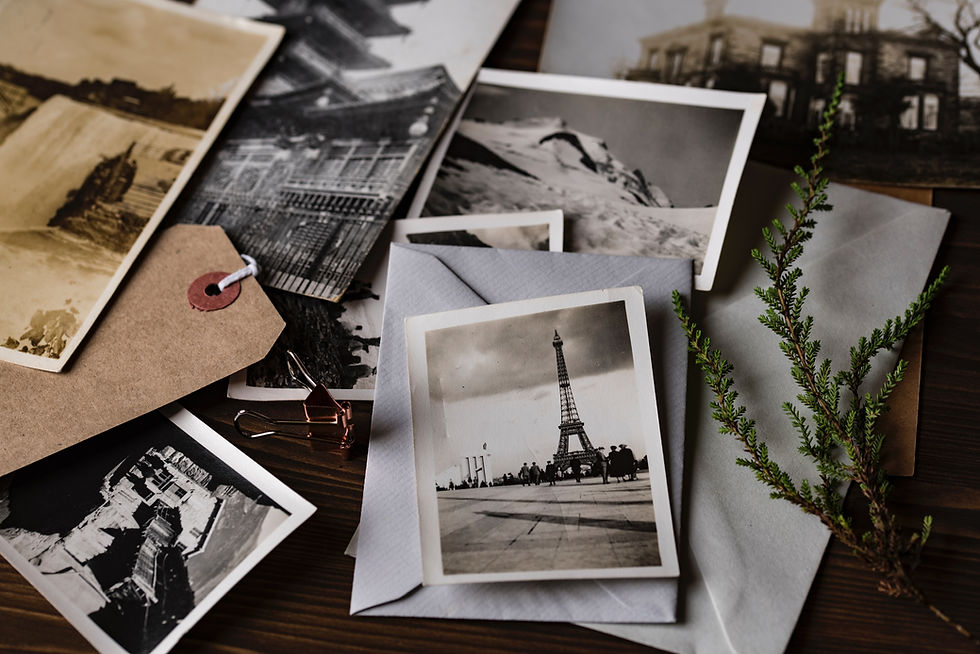
Research shows that viewing meaningful artwork activates brain networks involved in attention, visual processing, and autobiographical memory. Museum programs for older adults, including Meet Me at MoMA, have found that discussing artwork encourages conversation, memory retrieval, and social engagement. When you connect a painting to your own experiences as you do throughout these activities, the brain creates stronger, more meaningful memories by linking new information with existing knowledge.
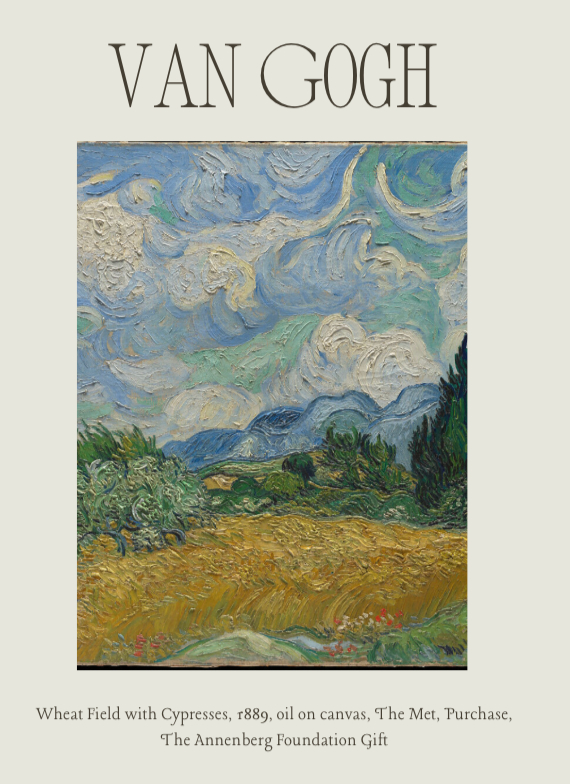
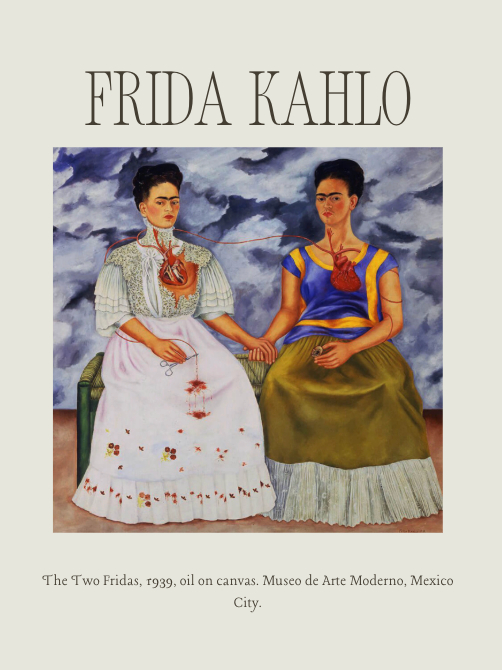
Psychologists have long known that emotional experiences are remembered more vividly than neutral ones because the amygdala works closely with memory systems in the hippocampus during learning and recall. Artists such as Vincent van Gogh, Frida Kahlo, and Edvard Munch transformed emotions into color, symbolism, and movement, allowing viewers to connect with feelings that words alone often cannot express. By exploring emotions through art, these activities encourage emotional awareness, reflection, and meaningful personal connections.
One of the strongest findings in cognitive psychology is the self-reference effect: we remember information better when we connect it to ourselves. Research shows that reflecting on our own experiences engages the medial prefrontal cortex, a brain region involved in self-awareness and autobiographical thinking. That's why each activity invites you to connect famous artworks to your own memories, values, and emotions, turning art appreciation into a personally meaningful experience rather than simply observing a painting.